

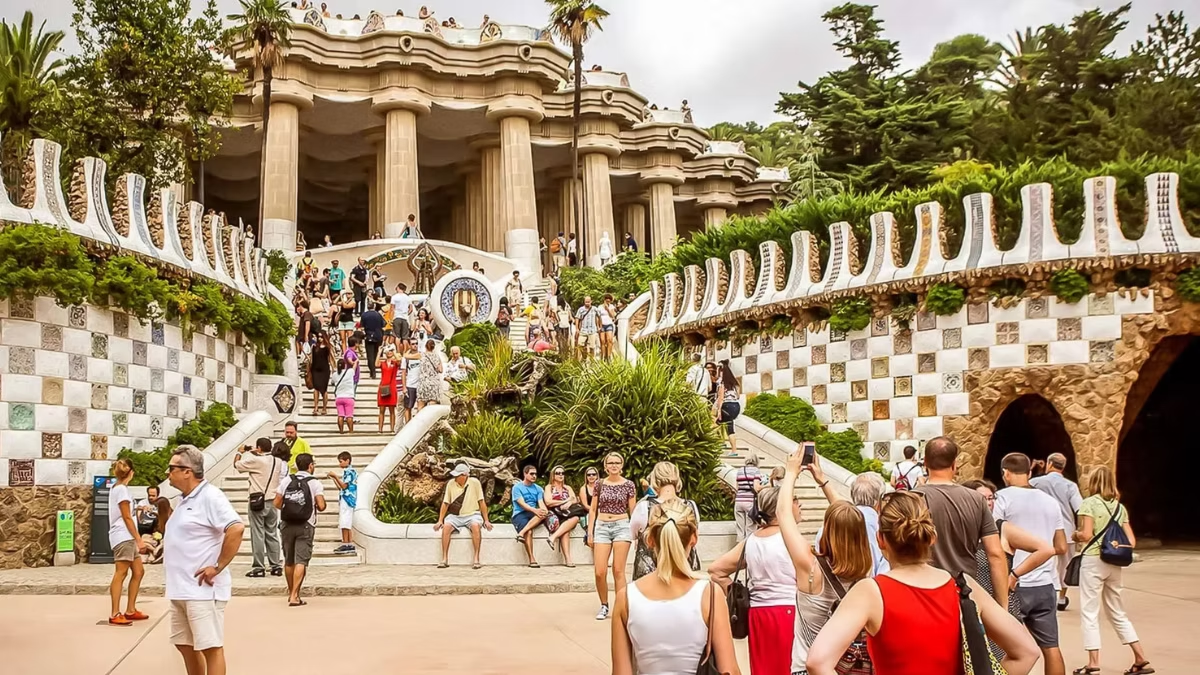
Park Güell Highlights & What to See
Explore the must-see highlights at Park Güell — from Gaudí’s iconic architectural features to hidden gems and the best photography spots. Learn what to prioritise during your visit and why each area matters.
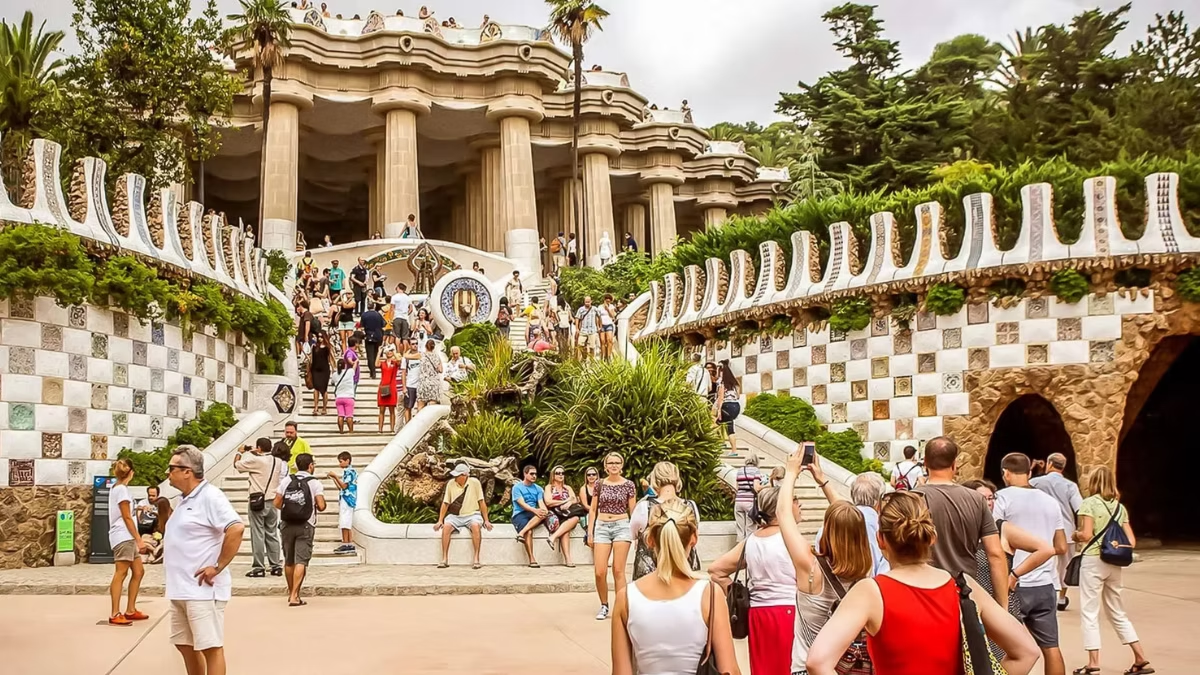
Top Highlights at Park Guell
The headline sights and experiences most visitors want to see first.
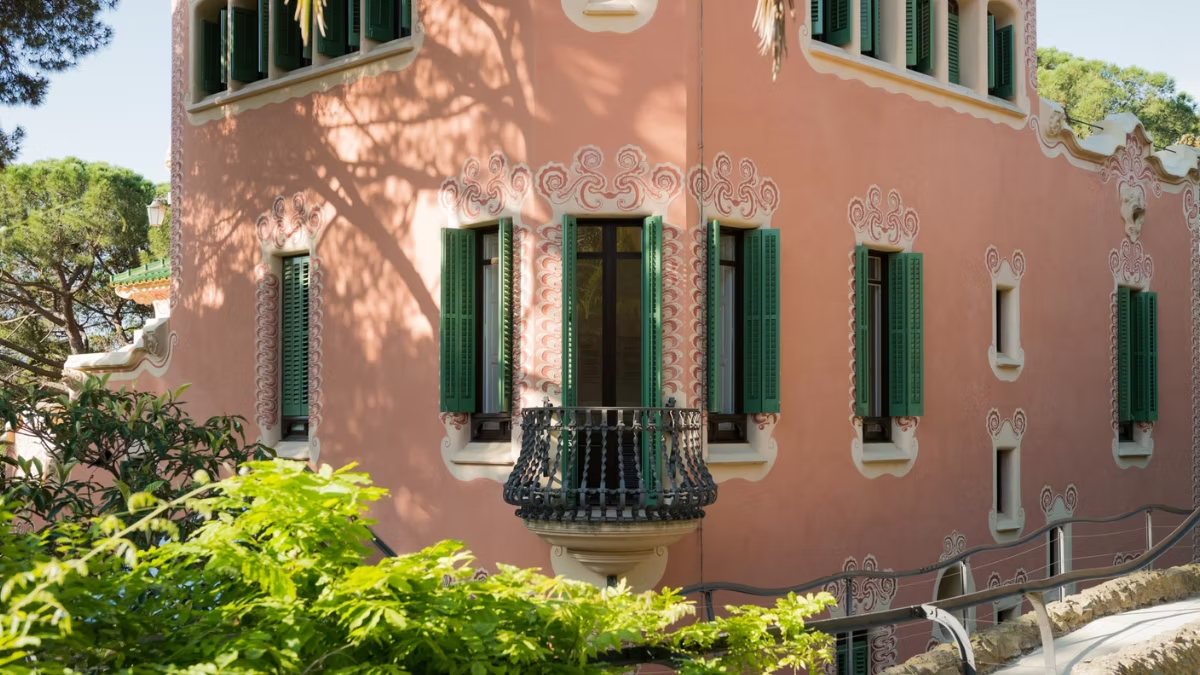
Gaudí House Museum
Explore the home where Antoni Gaudí lived for nearly 20 years. Discover what’s inside and whether this reopened museum is worth a visit for architecture enthusiasts.
Explore →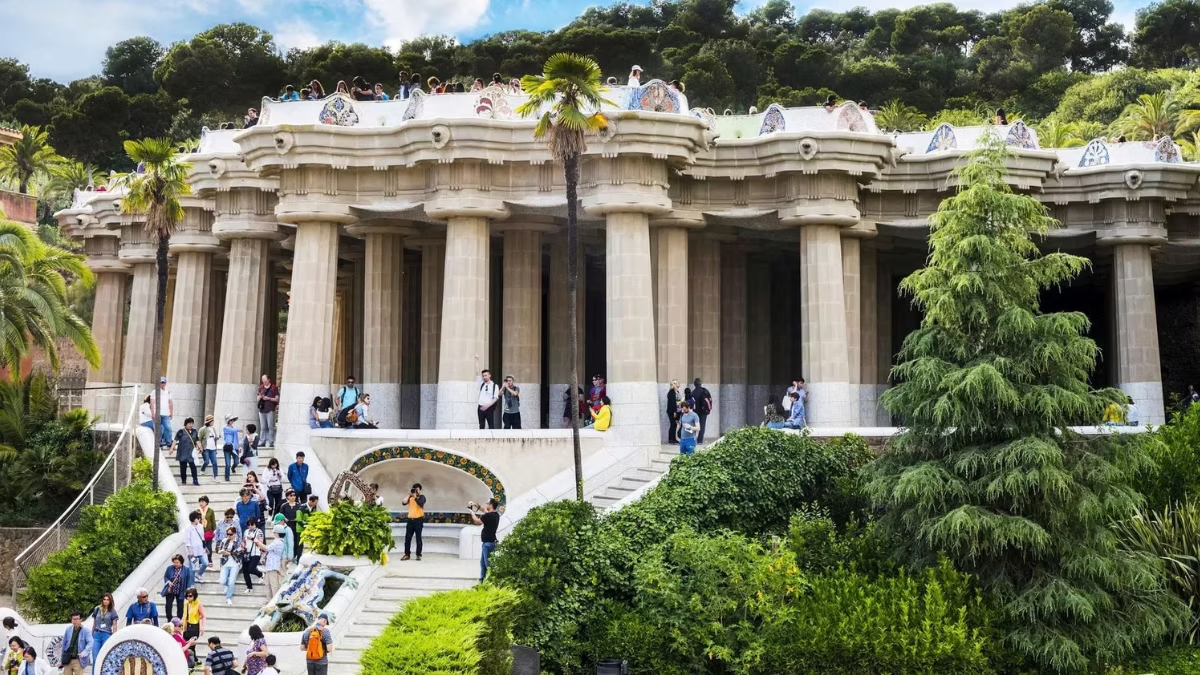
Hypostyle Room
Explore 86 Doric columns, intricate Jujol mosaics, and the remarkable acoustics of this architectural masterpiece at the heart of Park Güell.
Explore →Iconic Landmarks Inside Park Guell
Discover the Monumental Zone, terraces, and the most iconic features of Park Güell.
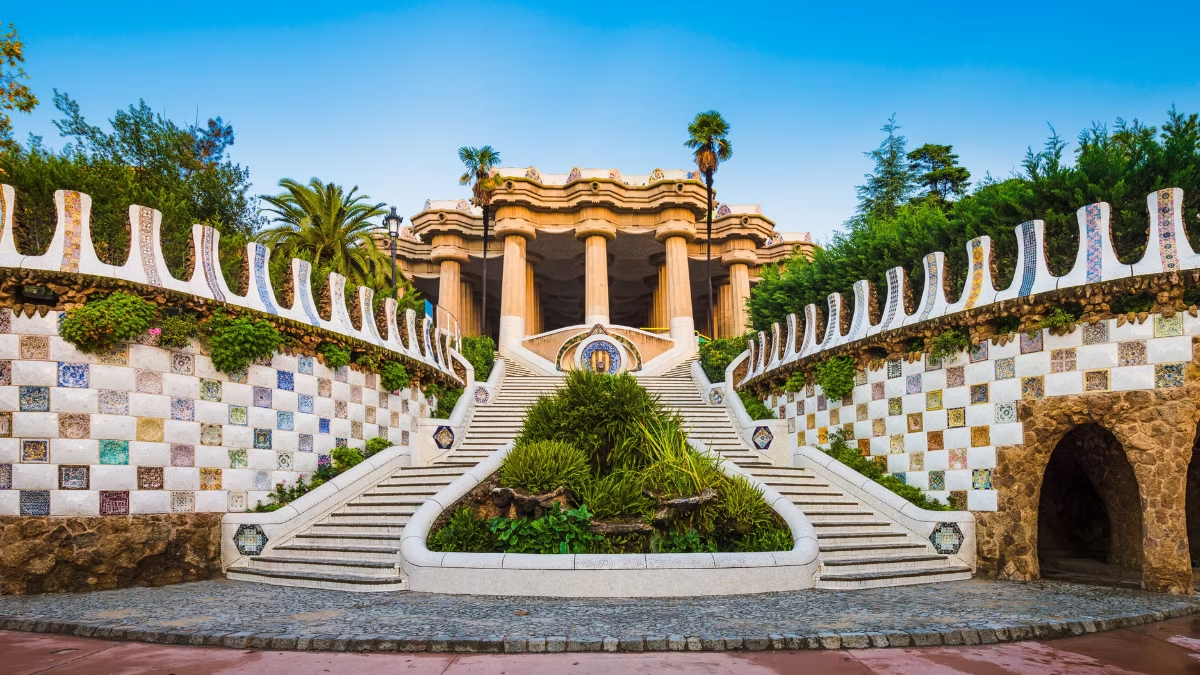
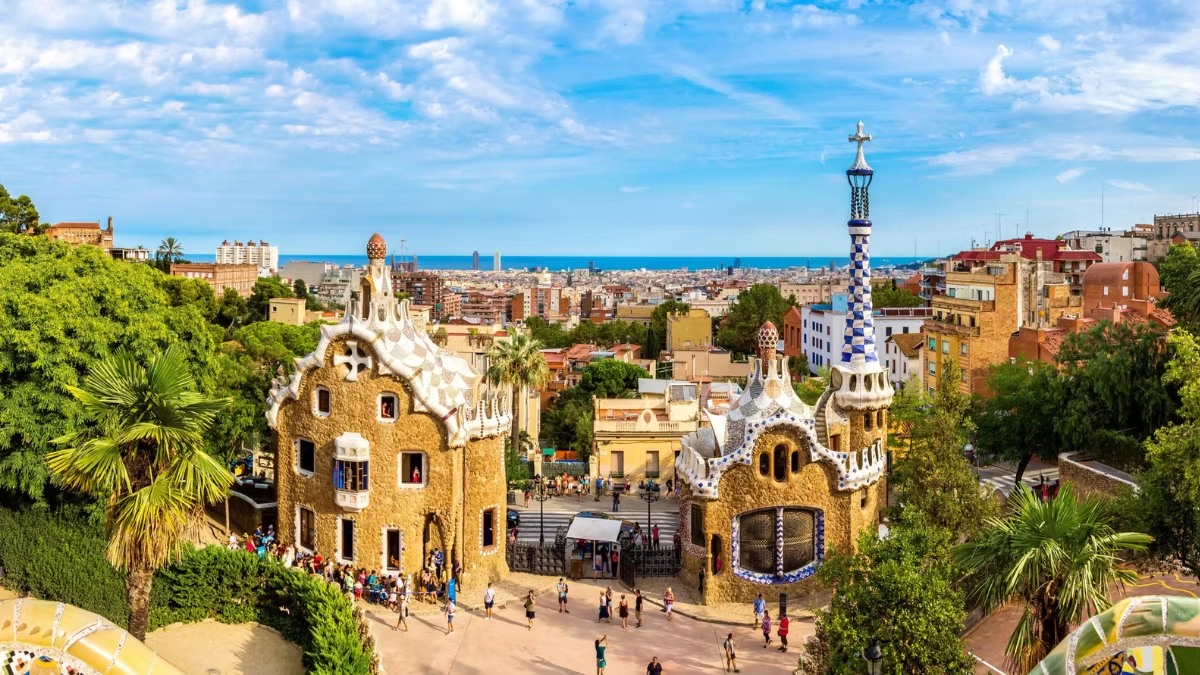
Park Güell Monumental Zone
Navigate 12 hectares containing all of Gaudí’s major works. Understand what’s included, how long to spend, and how to explore it.
Read guide →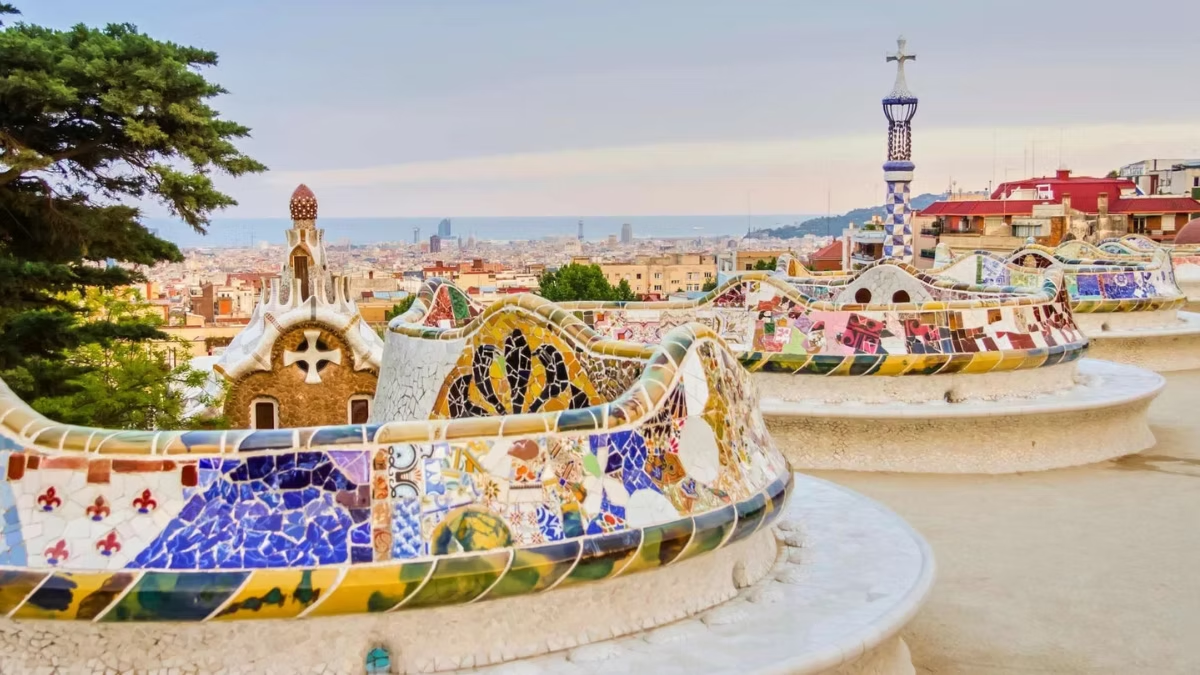
Terrace & Serpentine Bench
The Main Terrace and Serpentine Bench are Park Güell’s iconic centrepiece — 110 metres of stunning trencadís mosaic offering panoramic Barcelona views. Explore the design history and photography tips.
Read guide →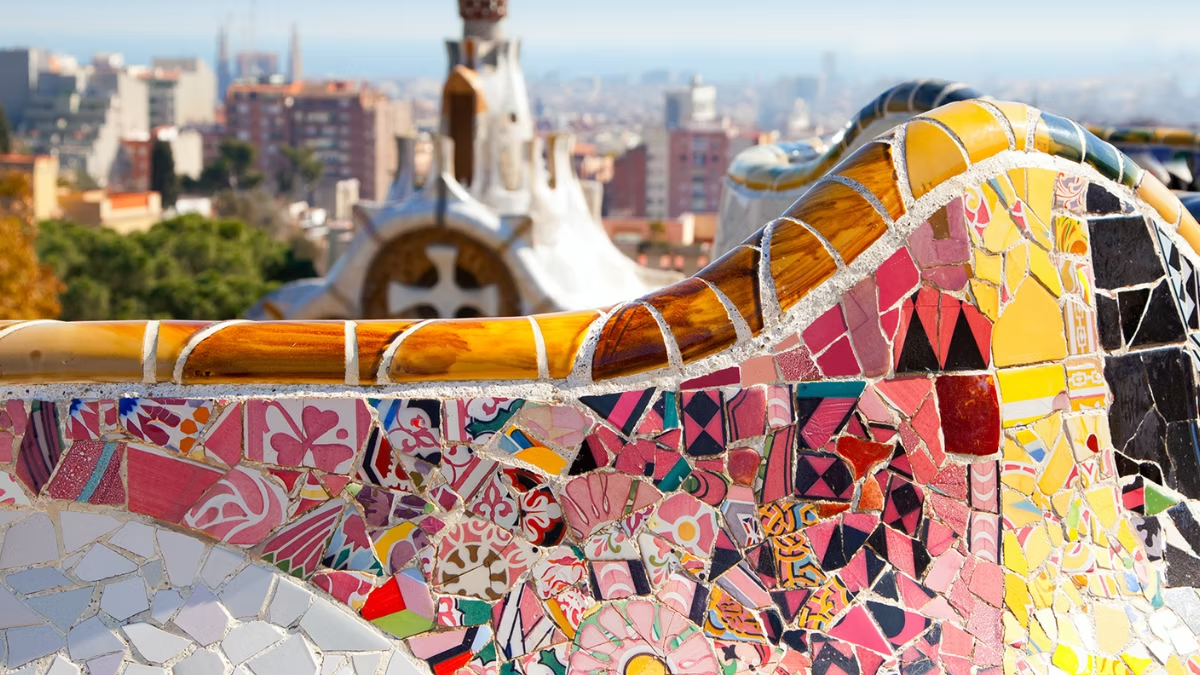
Gaudí’s Architecture & Trencadís Mosaics
Discover the organic design principles, structural innovations, and distinctive mosaic technique that define Park Güell.
Read guide →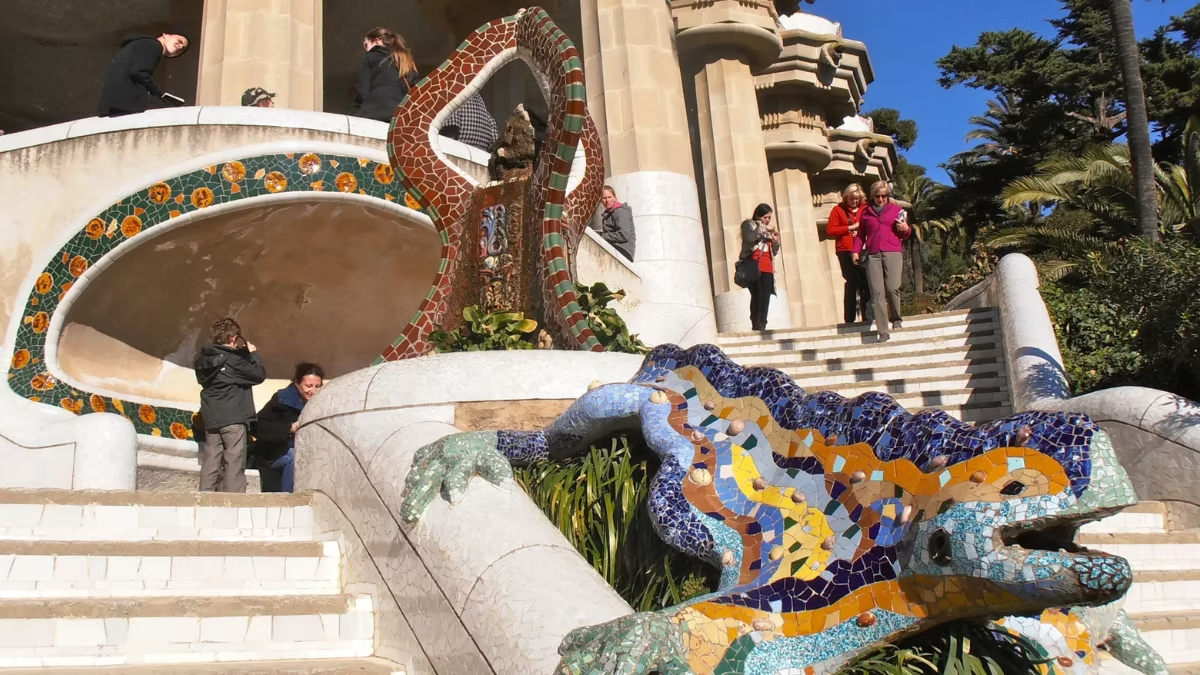
Dragon Staircase
Park Güell’s most photographed landmark — the mosaic salamander El Drac and the staircase that doubles as a functional water system.
Read guide →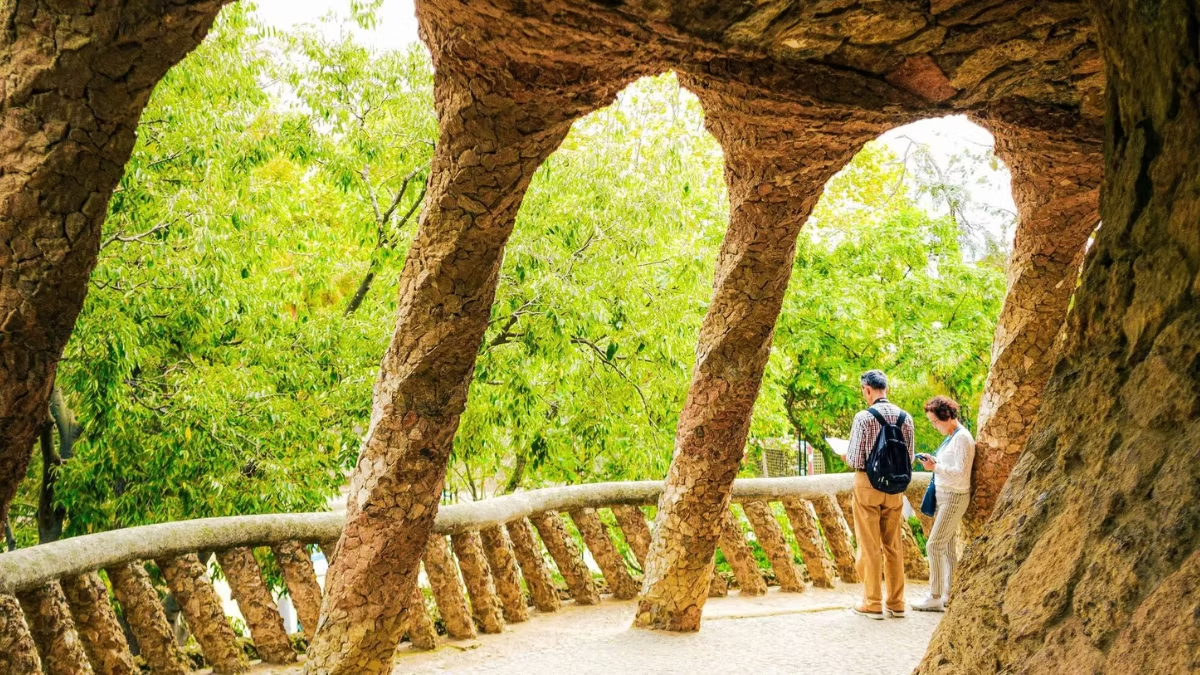
Viaducts & Garden Paths
Explore free areas without a ticket — the three viaducts, Austria Gardens, and forest trails reveal Park Güell beyond the paid zone.
Read guide →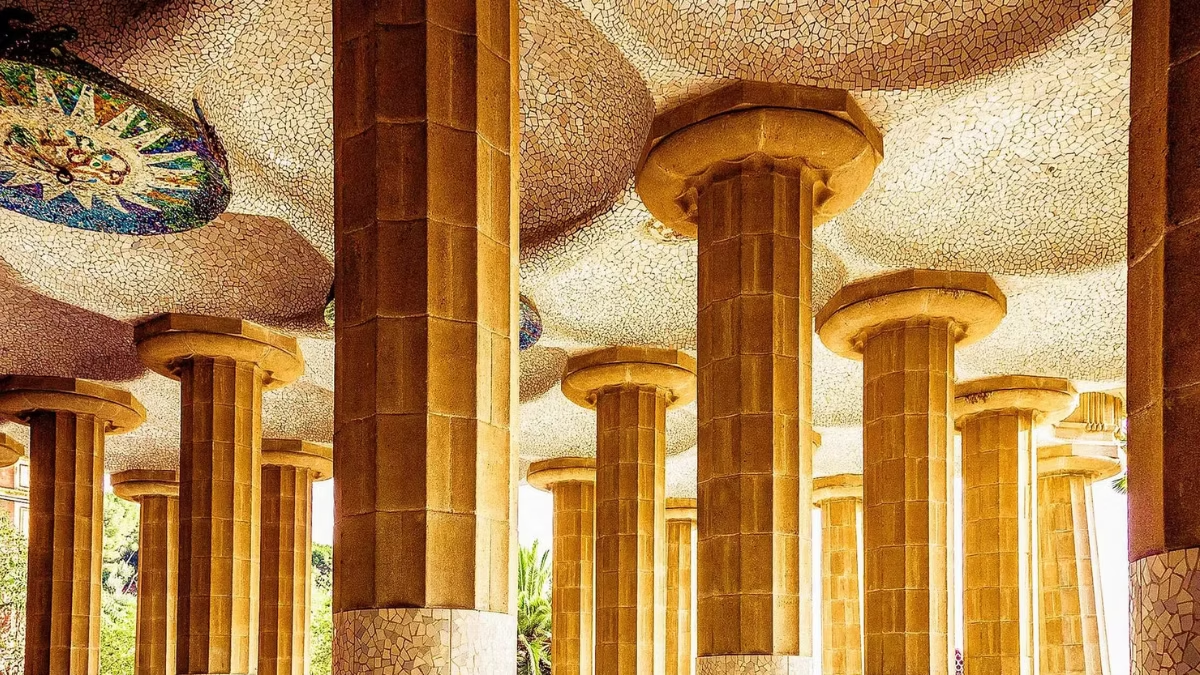
Park Güell Key Highlights
All eight must-see highlights at Park Güell — from the Dragon Staircase and Hypostyle Room to the free viaducts and hilltop viewpoints.
Read guide →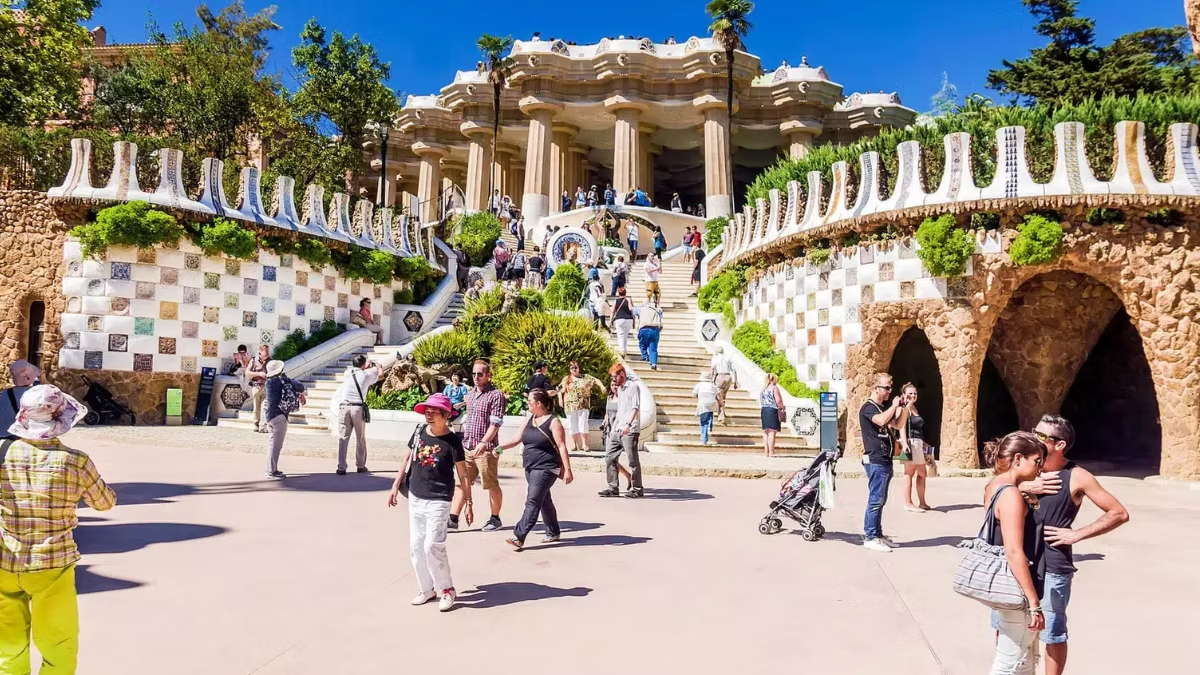
History of Park Güell
Discover how a failed luxury housing project became one of the world’s most visited parks — the story of Güell, Gaudí, and ambition.
Read guide →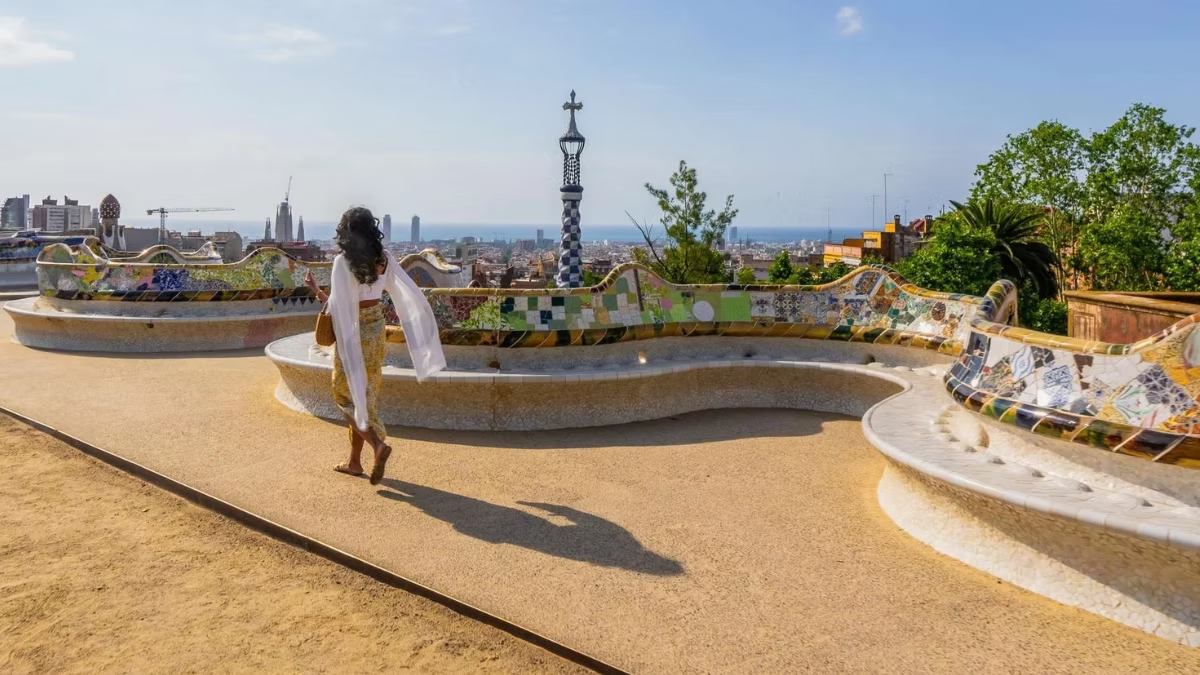
Photography Spots in Park Güell
Find the best photography angles at Park Güell, from the Serpentine Bench to the Dragon Staircase, with timing and shooting tips.
Read guide →How to Choose What to See at Park Guell
A quick guide based on your interests and visit style.
If You Only Have 1 Hour
Focus on the Monumental Zone’s three showstoppers and skip the rest without regret.
- Walk up the Dragon Staircase — it takes 5 minutes and delivers the park’s best photo
- Step through the Hypostyle Room to see 86 columns and Jujol’s ceiling mosaics
- Finish at the Main Terrace for the panoramic Barcelona view from the Serpentine Bench
For Architecture Lovers
Park Güell is Gaudí’s most ambitious landscape project — where structural engineering disguises itself as nature.
- Study the trencadís mosaics and organic columns that make every surface feel alive
- Explore the three viaducts — stone colonnades that lean like tree trunks, built without mortar formwork
- Visit the Gaudí House Museum to see original furniture he designed for Casa Batlló and Casa Calvet
Visiting With Kids
Park Güell feels like a giant fairy-tale playground — bright colours, curved shapes, and a famous dragon to find.
- Start at the Dragon Staircase — kids love spotting the multicoloured salamander and posing beside it
- Let them run along the Serpentine Bench — 110 metres of wavy mosaic seating with no two sections alike
- Wander the free garden paths where leaning stone columns look like a forest made by a giant
For Photographers
Park Güell rewards patience with angles you won’t find at any other Gaudí site.
- Use the photography spots guide to find the best vantage points at each hour of the day
- Shoot the Hypostyle Room ceiling mosaics from directly below for kaleidoscopic compositions
- Arrive early for the Main Terrace — golden-hour light on the Serpentine Bench with Barcelona behind it is the signature shot
Continue Exploring Park Guell
Book your tickets and plan the practical details of your visit.
Tickets & Tours
Compare all ticket options, guided tours, and combo deals. Book online and skip the line.
Browse all tickets →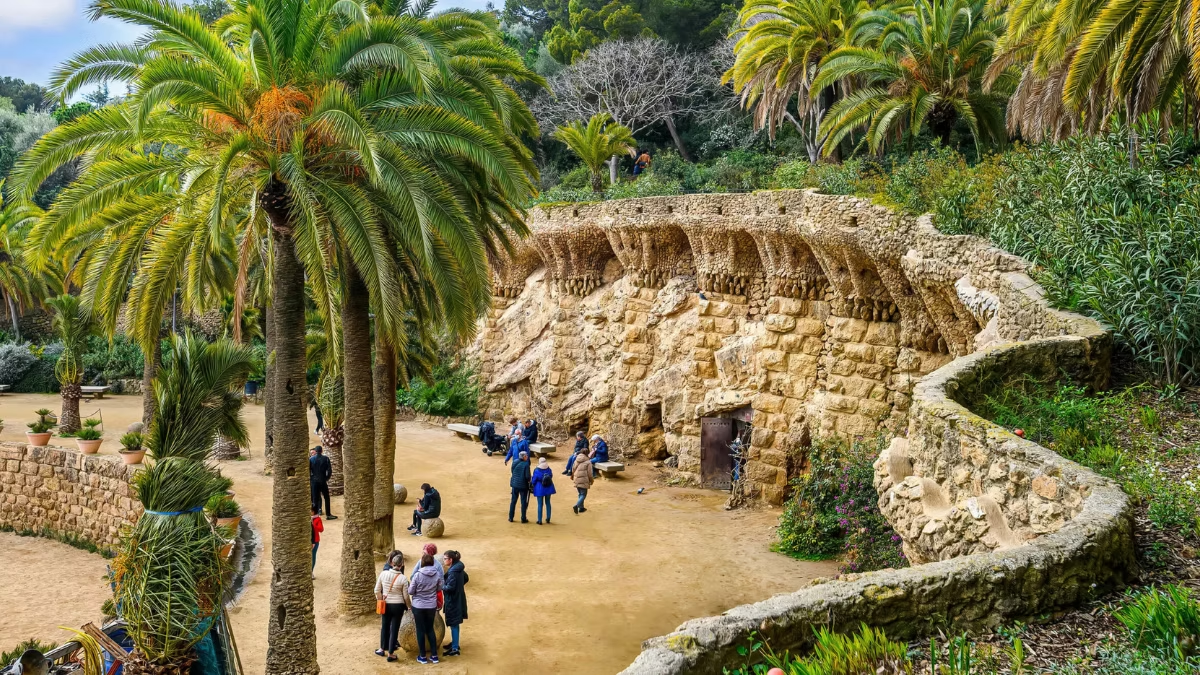
Plan Your Visit
Opening hours, directions, what to bring, and practical tips for your visit.
View planning guide →Frequently Asked Questions
Common questions about what to see and prioritise.