Park Güell Photography Spots & Views 2026 — Best Angles, Timing & Tips
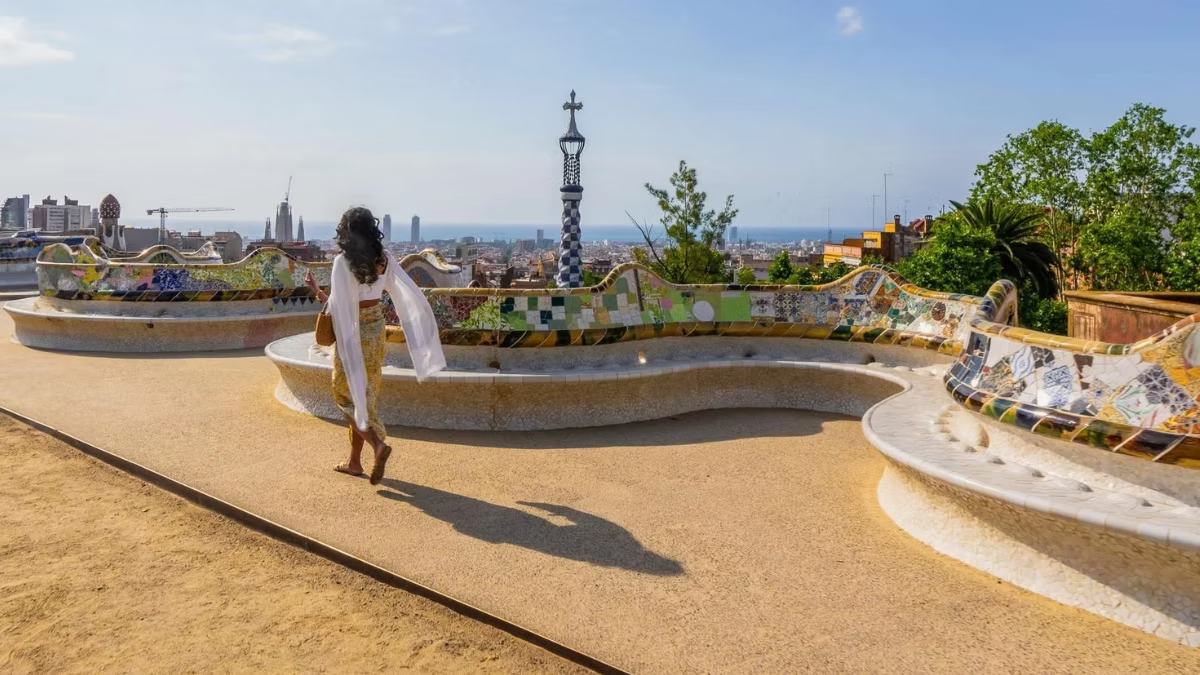
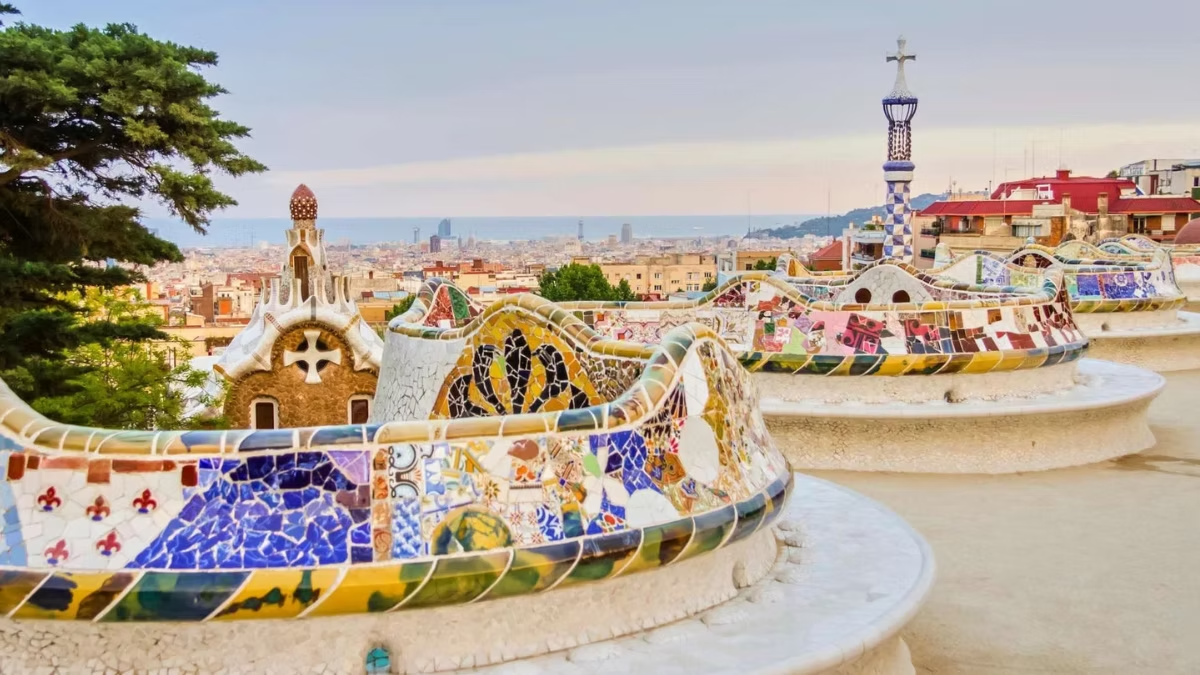
A woman walks barefoot along the mosaic serpentine bench of Park Güell's Nature Square, with Barcelona and the sea visible in the background.

Views & Photography Spots at Park Güell The best photography spots at Park Güell are the Serpentine Bench for panoramic city views, El Drac for architectural detail, the Hypostyle Room for interiors, and the Turó de les Tres Creus for a free hilltop panorama. Morning light (09:30–11:00) is best for the Dragon Staircase and bench … Read more
Park Güell Highlights 2026 — The 8 Things You Must See Inside

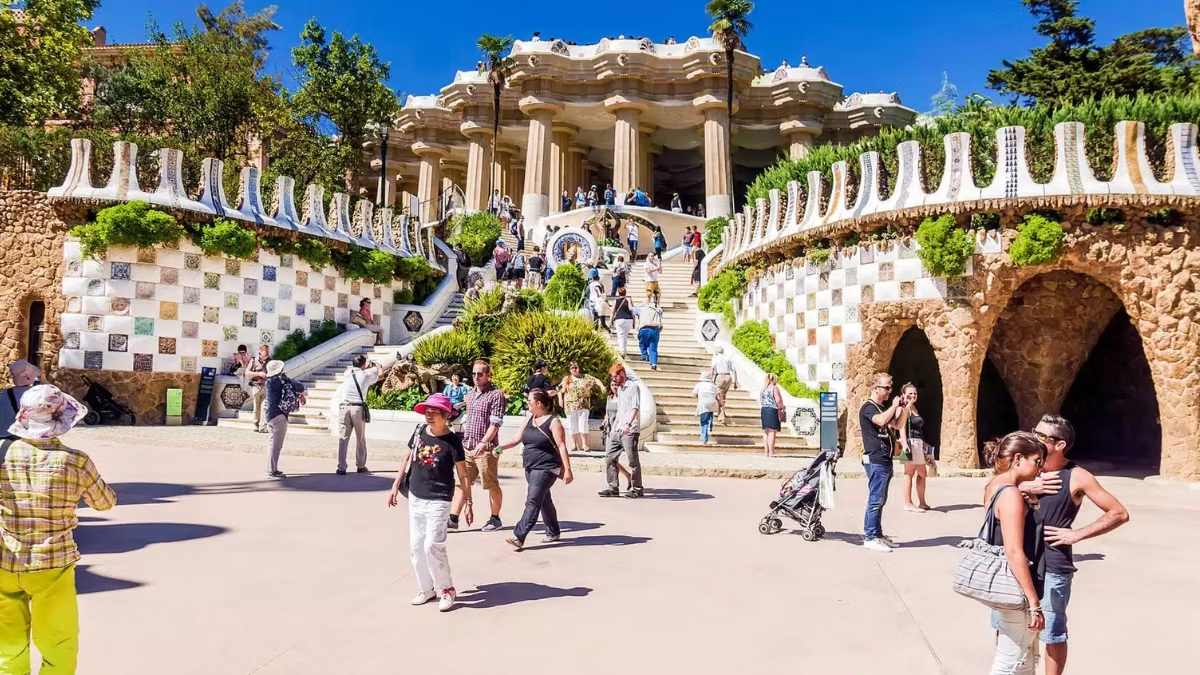
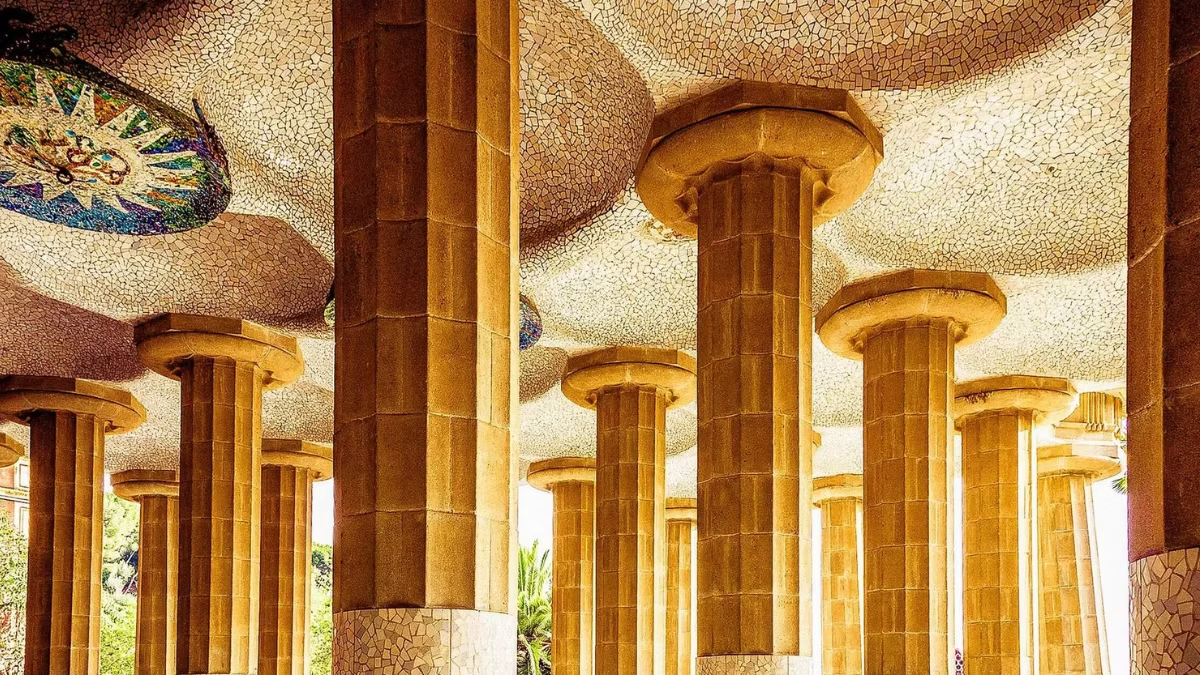
Rows of thick stone columns support a mosaic-covered ceiling inside Park Güell's Hypostyle Room, with a colorful medallion visible on the left.

Main Highlights of Park Güell The eight highlights of Park Güell are: the Dragon Staircase and El Drac, the Hypostyle Room, the Main Terrace and Serpentine Bench, the Porter’s Lodge Pavilions, the Laundry Room Portico, the Austria Gardens, the Viaducts, and the Turó de les Tres Creus viewpoint. The first five require a paid admission … Read more

Park Güell Hypostyle Room 2026 — The Hall of 86 Columns Explained

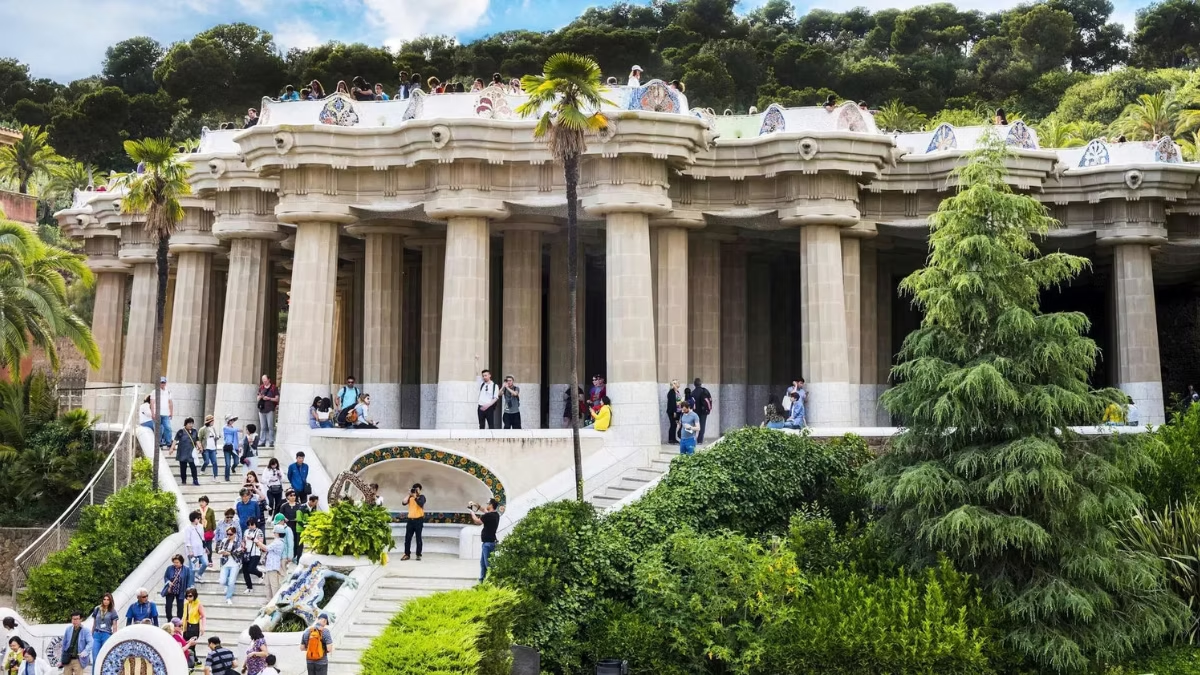
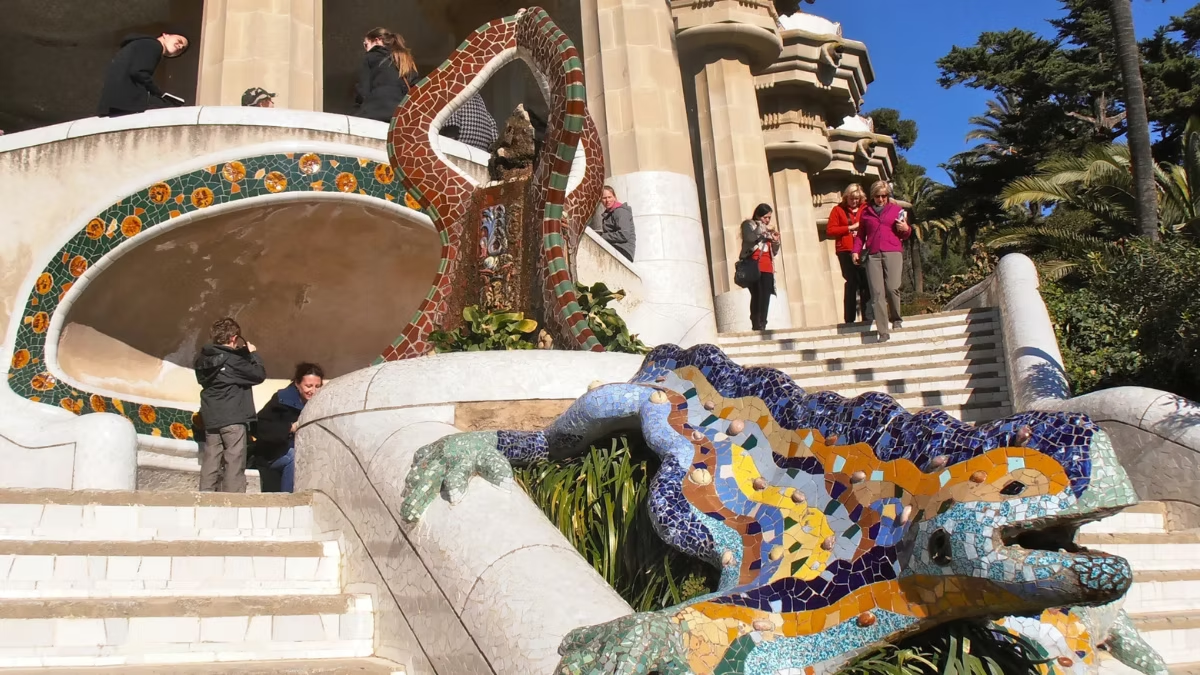
Tourists explore the grand colonnaded facade of Park Güell's Hypostyle Room, surrounded by lush greenery and mosaic-decorated rooftop details.

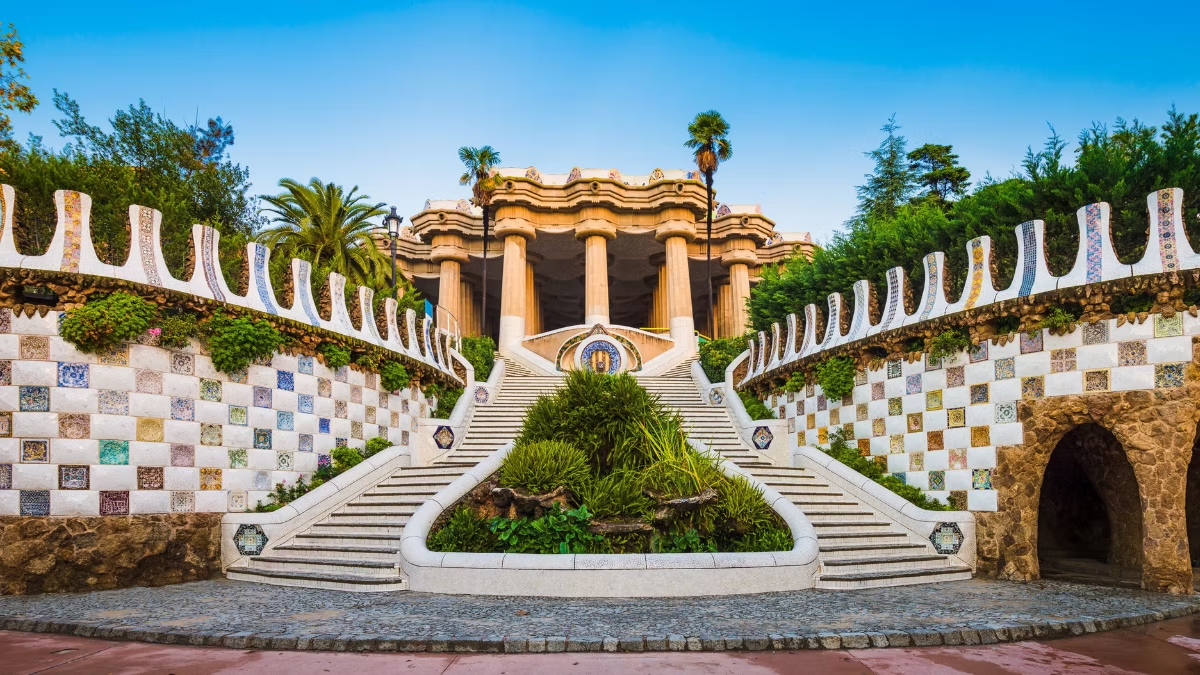
The Hypostyle Room The Hypostyle Room (Sala Hipóstila) is the hall of 86 Doric-inspired columns directly above the Dragon Staircase, supporting the Main Terrace and Serpentine Bench above. Originally designed as a marketplace for the planned housing estate, it was built between 1906 and 1914. The ceiling is decorated with 18 trencadís mosaic medallions by … Read more

Park Güell Architecture & Trencadís Mosaic 2026 — Gaudí’s Design Language Explained

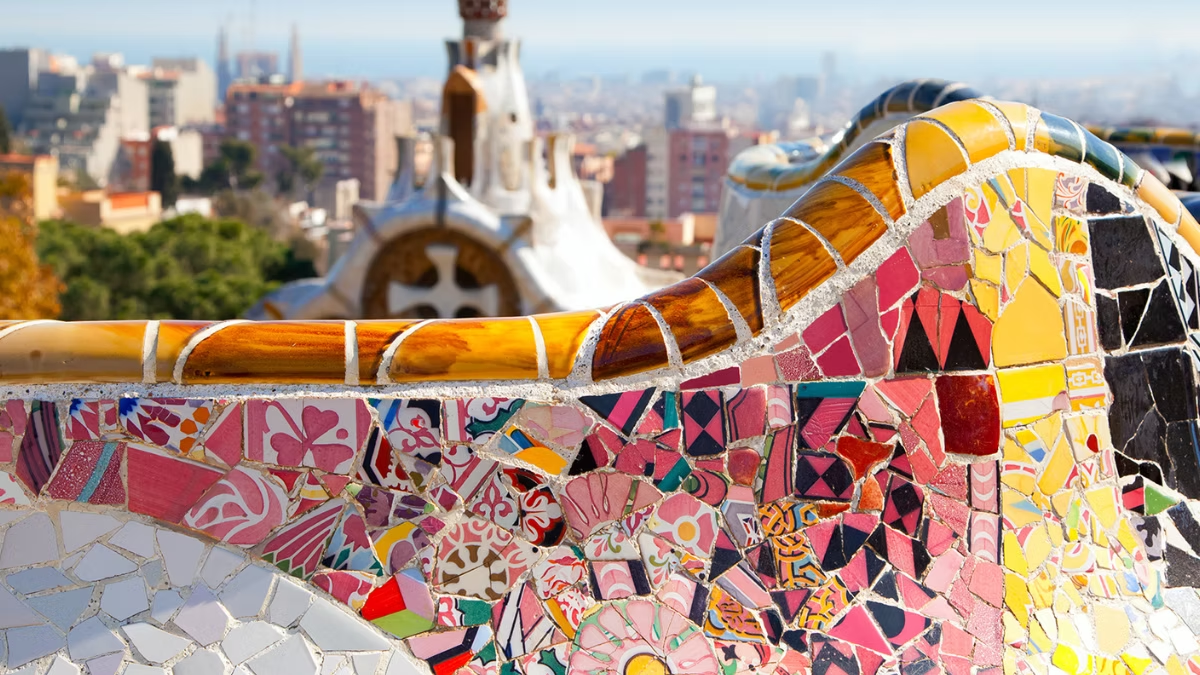
A close-up of the colorful trencadís mosaic tiles on Park Güell's serpentine bench, with a gatehouse and Barcelona's skyline blurred in the background.

Architecture & Trencadís Mosaic at Park Güell Park Güell is the fullest expression of Gaudí’s naturalist period (1900–1914), during which he rejected straight lines entirely in favour of organic forms derived from nature. Its three key architectural contributions are: the trencadís mosaic technique (broken ceramic tiles assembled on curved surfaces); the inverted catenary arch applied … Read more